All Categories

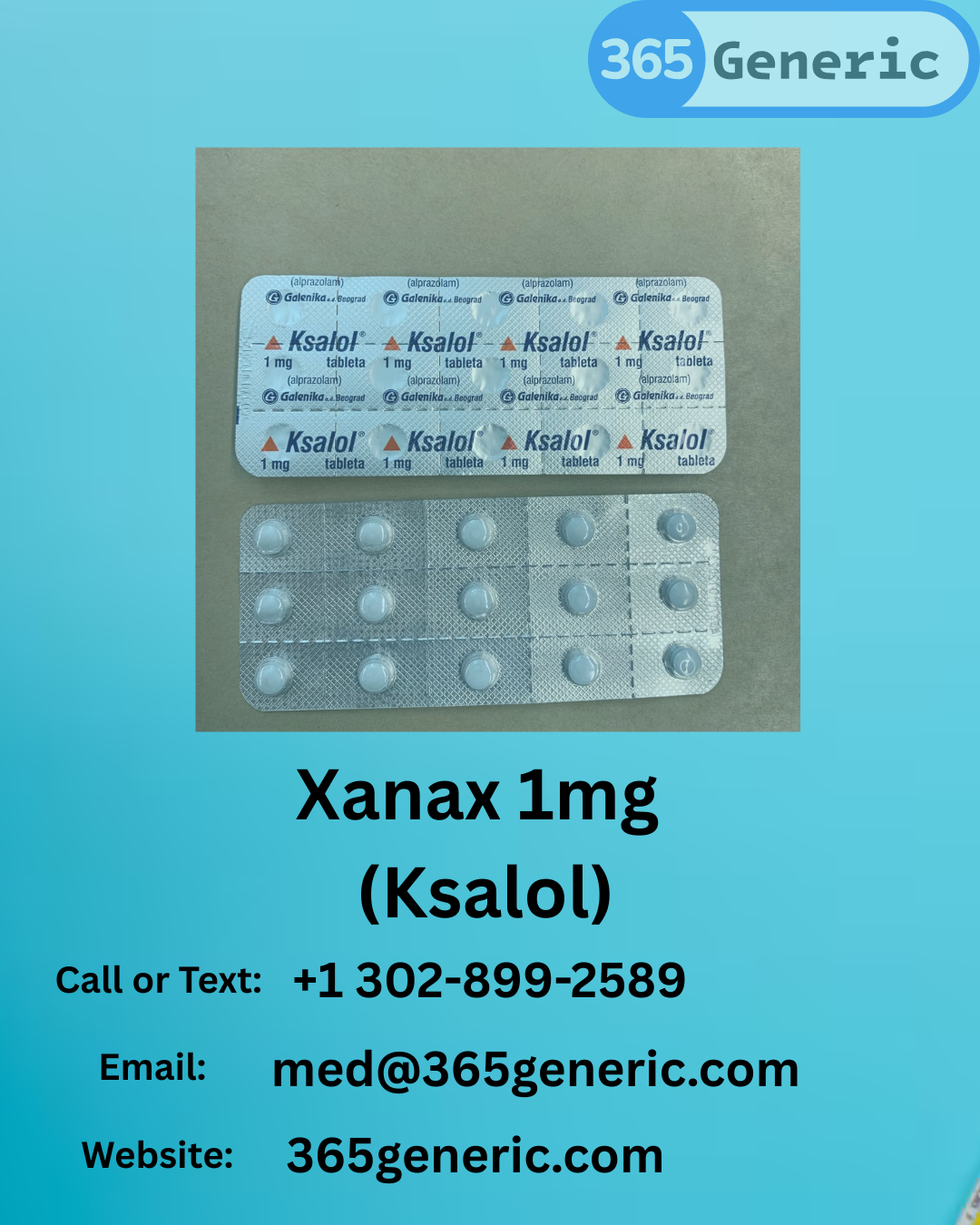
Alprasafe 1mg contains alprazolam, a prescription medication in the benzodiazepine class. It is commonly prescribed to treat anxiety disorders and panic disorder in adults. Alprazolam works by calming excessive activity in the brain, helping reduce symptoms such as persistent anxiety, fear, tension, and panic attacks.
Because alprazolam can cause dependence, drowsiness, and withdrawal symptoms if stopped abruptly, it should only be used under the supervision of a qualified healthcare professional and for the duration recommended by the prescriber.
Generic Name: Alprazolam
Brand Name: Ksalol
Strength: 1 mg
Drug Class: Benzodiazepine
Dosage Form: Oral Tablet
Prescription Status: Prescription-only medication
Alprazolam enhances the effects of gamma-aminobutyric acid (GABA), a naturally occurring neurotransmitter that helps reduce excessive nerve activity in the brain. Increasing GABA activity produces a calming effect that can reduce anxiety and panic symptoms.
The medication does not cure anxiety disorders but can help manage symptoms while other treatments, such as psychotherapy, are also considered.
Healthcare providers may prescribe Alprazolam for:
The decision to prescribe alprazolam depends on the individual's medical history, symptom severity, and overall treatment plan.
When used as prescribed, Alprazolam may help:
Take Alprazolam exactly as prescribed by your healthcare provider.
General recommendations include:
Your healthcare provider may adjust the dose depending on your response and any side effects.
Many people begin to notice its calming effects within 30 to 60 minutes, although individual response varies.
Because it can cause drowsiness, avoid activities requiring full alertness until you know how the medication affects you.
Common side effects may include:
Many side effects are mild and may lessen as treatment continues, but persistent or troublesome symptoms should be discussed with your healthcare provider.
Seek immediate medical attention if you experience:
These reactions require prompt medical evaluation.
Tell your healthcare provider before taking Alprazolam if you have:
Older adults may be more sensitive to the sedative effects and may have a higher risk of falls.
Alprazolam may interact with:
These combinations may increase sedation, impair breathing, and increase the risk of serious side effects.
Always provide your healthcare provider with a complete list of all medicines and supplements you are taking.
Alprazolam has the potential to cause physical dependence, particularly when used for longer periods or at higher doses.
Do not stop taking Alprazolam suddenly unless instructed by your healthcare provider. Abrupt discontinuation may cause withdrawal symptoms such as anxiety, insomnia, tremors, irritability, or, in some cases, seizures.
If treatment needs to be discontinued, your healthcare provider will usually recommend gradually reducing the dose.
If you miss a dose:
Store Alprazolam:
To support your treatment:
Alprazolam 1mg is prescribed to treat anxiety disorders and panic disorder in appropriate patients.
Many people notice its effects within 30 to 60 minutes, although this varies between individuals.
Yes. Drowsiness and dizziness are common side effects, especially when treatment begins or after a dose increase.
No. Alcohol can increase sedation and the risk of serious side effects, including breathing problems.
Yes. Alprazolam has the potential for dependence and should only be taken exactly as prescribed.
No. If you have been taking Alprazolam regularly, stopping suddenly may lead to withdrawal symptoms. Your healthcare provider can advise on gradually reducing the dose if needed.
Alprazolam 1mg (Ksalol) is a prescription benzodiazepine that can help manage anxiety disorders and panic disorder when used appropriately under medical supervision. It is generally intended for carefully selected patients and should be used as part of an individualized treatment plan that may also include psychological therapies and lifestyle measures.
Because Alprazolam carries important risks—including drowsiness, impaired coordination, dependence, withdrawal symptoms, and potentially serious interactions with alcohol and other sedating medicines—it should only be taken exactly as prescribed. If your symptoms worsen, you experience concerning side effects, or you have questions about your treatment, contact your healthcare provider promptly.
This information is for educational purposes only and is not intended to replace professional medical advice, diagnosis, or treatment. Always consult a qualified healthcare provider regarding any questions about your health or medications.